How Swansea's Coastal Climate Is Quietly Draining Your Home's Heat
Swansea's position on the edge of the Gower Peninsula and along the South Wales coast makes it one of the windier, wetter cities in the UK. Average annual rainfall sits above 1,200mm across much of West Wales, and coastal winds — particularly those sweeping in from the Atlantic — drive cold air into roof spaces and around eaves far more aggressively than in inland cities. For homeowners in Mumbles, Sketty, and Uplands, this means heat loss through an uninsulated or under-insulated loft is a bigger problem than the headline numbers suggest.
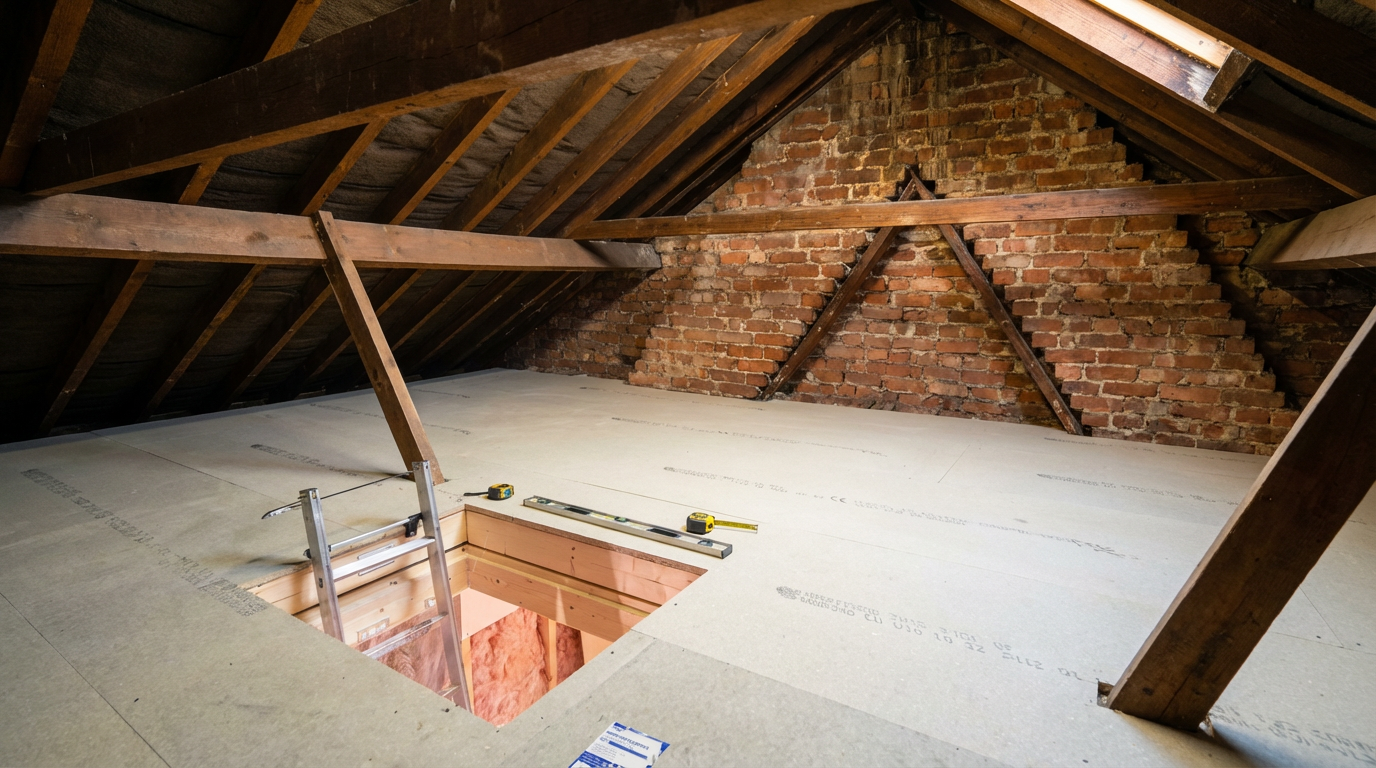
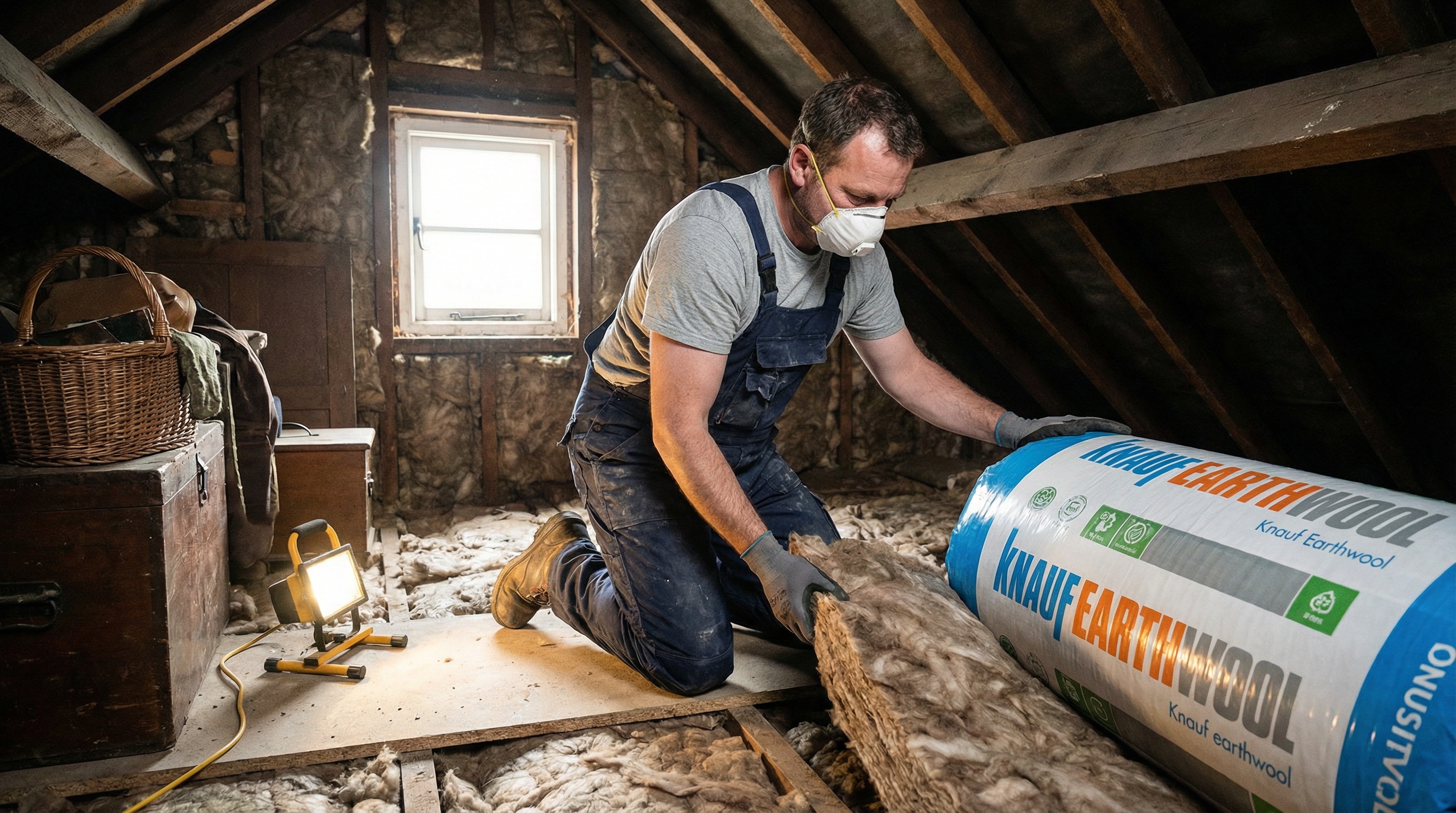
Standard loft insulation recommendations were developed for typical UK conditions. In a coastal climate like Swansea's, you often need to go beyond minimum standards to see real results. We typically recommend 300mm of Knauf Wool for open loft spaces in Morriston, Gorseinon, and Killay — 30mm more than the national guideline — or SuperFOIL multifoil where the roof pitch is shallow or the loft is used for storage. Both options significantly reduce what's called the "wind-washing" effect, where cold air circulation through the roof void strips heat away from the insulation layer itself.
The financial case is clear: a detached Swansea home losing heat through the roof can waste £300–£500 per year on unnecessary heating. With Knauf Wool installations starting from £600 and SuperFOIL from £800, many homeowners in Neath, Port Talbot, and Llanelli recover the cost within two years. We'll assess your loft, check your existing insulation, and give you an honest quote — no pressure, no upselling.
Book a Free Assessment